
Keno sits comfortably alongside the pokies in any licensed venue, yet most patrons treat it like a lucky dip rather than a game with clear rules. If you want to understand how to legally win at keno, you start by accepting what the mathematics actually say: the house edge is fixed, the draws are random, and the only legal advantage comes from choosing games, limits, and sessions that suit your own habits. That is a different priority from chasing a big payout in one session, and it is the angle worth taking.
Why the odds structure matters more than the payout
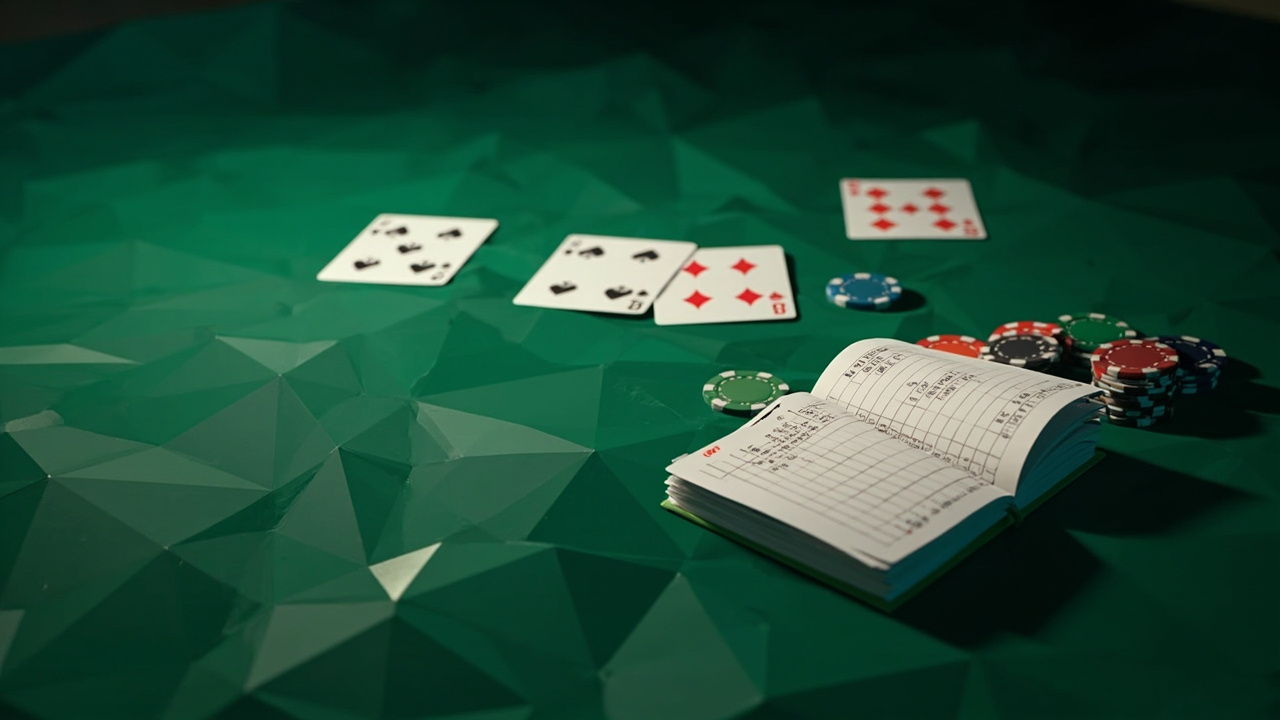
The first thing worth checking is how a game presents its prize tiers against its ticket price. A cheap card with a flat top prize can feel friendly on a Tuesday arvo, but the return percentage often sits lower than a slightly pricier card that spreads its payouts across more catch patterns. I have spent years building lifecycle flows in SaaS and eCommerce, and the same discipline applies here: the interface should make the cost-per-play and the probability of each tier obvious before you commit, not buried behind flashing animations. When a keno board uses clear grid labels, straightforward currency in Australian dollars, and a refresh rate that lets you actually read the result before the next draw, it reduces the kind of impulse drift that turns a short session into a longer one than intended. That kind of layout judgement is not glamorous, but it is exactly how a growth-minded operator thinks about keeping play sustainable rather than pushing for a single dramatic win.
Gambling appears in mythologies worldwide, from Norse gods to Hindu epics, which tells you more about human storytelling than about any system. The practical reality is simpler: pick a card price you can afford to repeat, note the number of spots you actually mark, and treat the advertised top prize as a long-shot feature rather than a target. A measured Canberra-adjacent approach would have you compare two similar tickets side by side, check whether the smaller prizes land frequently enough to keep the session enjoyable, and walk away once the spend reaches a figure you set before the first draw. That is not a promise of profit; it is a way to ozwincodes.net keep the game within the bounds of a sensible night out.
Reading the board in a local setting
What the numbers actually mean on a Western Sydney night
If you have ever watched the State of Origin on a big screen while the keno board ticks over beside it, you know the room can feel busy as the match runs. The distraction matters because keno is a pace game: the draw happens on a schedule, and the temptation is to mark another card just because the previous one did not catch. A sensible local habit is to pick a regular spot count, say ten to twelve numbers, and keep it consistent across a session so you can actually compare one draw to the next without resetting your expectations every time. The board should show the result in plain language, with the winning numbers and the prize tier clearly separated, and the ticket should display the Australian dollar cost before you hand it over. When the interface uses local language and a familiar currency, you spend less mental energy decoding the screen and more on deciding whether the next card is worth the same amount.
Australian election betting is legal and closely watched, and that broader culture of regulated wagering is a useful reminder that the rules around keno are not loose. You are playing a game of chance under a licence that sets out how the draws run, how prizes are paid, and how the venue records the session. Nothing about that structure lets you bend the odds, but it does mean the game is accountable in a way an informal numbers game never is. The practical takeaway for an ordinary reader is straightforward: treat the board like a scheduled draw with a fixed ticket price, not like a puzzle you can solve by watching the last three results. If a local room offers a quiet corner table away from the main screen, that is often the better spot for a session where you actually want to follow the numbers rather than react to the crowd.
Keeping the session within a reasonable spend
The second part of reading the board is knowing when the session has done its job. In my time working across FinTech and FMCG, I have seen how quickly a small, repeated transaction can quietly add up when the feedback loop is too fast, and keno can do the same if every losing card feels like a reason to buy the next one. A practical example for an everyday Australian reader would be someone who sets a fixed amount for the evening, marks the same number of spots each draw, and stops once that amount is spent rather than topping up because the next draw feels close. That is not a winning strategy in the sense of beating the game; it is a way to keep the experience within a budget you chose beforehand. The board’s design should support that by making the current ticket price and the remaining prizes easy to check at a glance, so you are not guessing what you have already committed.
Matching the game to how you actually play
The reason this approach matters is that keno rewards patience in a narrow sense: you can choose a card that fits your time, your spend, and your tolerance for a long shot, and you can do it consistently. That is the real alternative to treating every session as a hunt for one big hit. If the room or the online interface presents the tiers clearly, keeps the currency in Australian dollars, and lets you register and play without unnecessary friction, then the game becomes easier to manage as a regular leisure choice rather than a one-off gamble. The same principle shows up in how a good loyalty scheme works: it should recognise steady play with small, understandable returns rather than dangling a large bonus that only makes sense if you keep going past your limit. A measured player uses that structure to extend an enjoyable session, not to chase a result the game cannot guarantee.
What this means for your next session
If you are weighing how to legally win at keno, the honest answer is that the legal part is about playing within the rules of a licensed game and choosing the card that fits your own priorities. The winning part is narrower still: a small, repeatable card at a price you set, read on a clear board, stopped at a limit you decided before the first draw. That is not a dramatic claim, but it is the only version that holds up under scrutiny. You can play for the chance of a prize, keep the session within a budget, and leave with the game still feeling like a bit of fun rather than a bill you did not plan for.play on big bass bonanza slot News
That approach keeps the experience predictable and lets you walk away without chasing losses. When you want a neutral place to compare how different venues structure their tickets, read the responsible gambling guide at arena.org.au. The real advantage comes from treating each session as a fixed entertainment cost rather than a path to profit.
For a change of pace that still fits a measured session plan, you can play on big bass bonanza slot and keep the same kind of limit in mind.